Programme Offered:
Bachelors in Arts (FYUGP-4 year): Students from any stream—be it Arts, Science, or Commerce—can apply 1 Year PG Diploma (Interdisciplinary): Students from any stream—be it Arts, Science, or Commerce—can apply 2 Year PG Degree Program (Interdisciplinary): Students from any stream—be it Arts, Science, or Commerce—can apply2 Year PG Degree Program (Interdisciplinary): Students from any stream—be it Arts, Science, or Commerce—can apply for Mass Communication.
The Department of Journalism and Mass Communication was established in the year 2023 under Bodoland University with a one-year PG Diploma programme to train students in the fundamentals of media and prepare them for careers in Print, Radio, Television, and New Media.
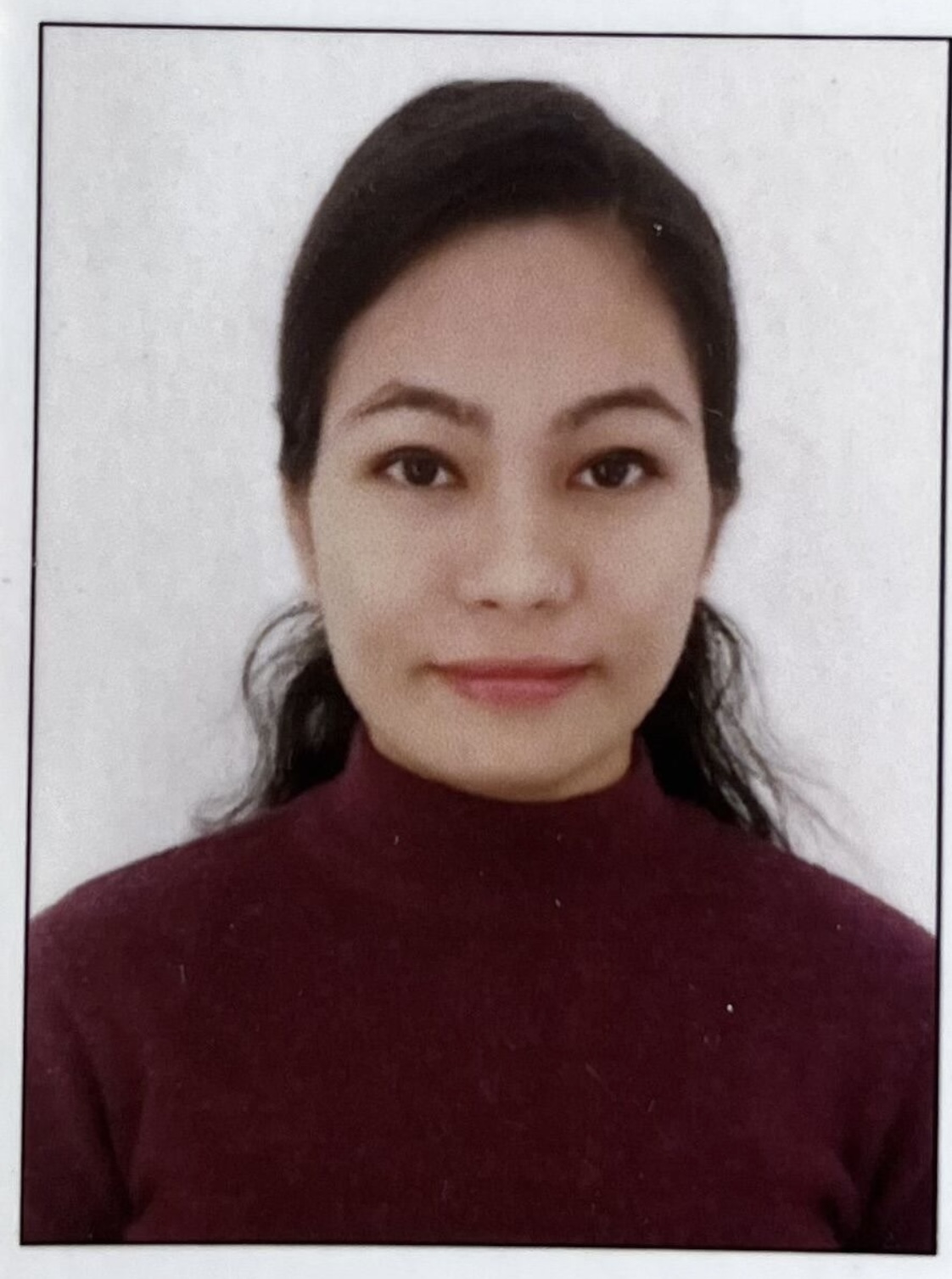
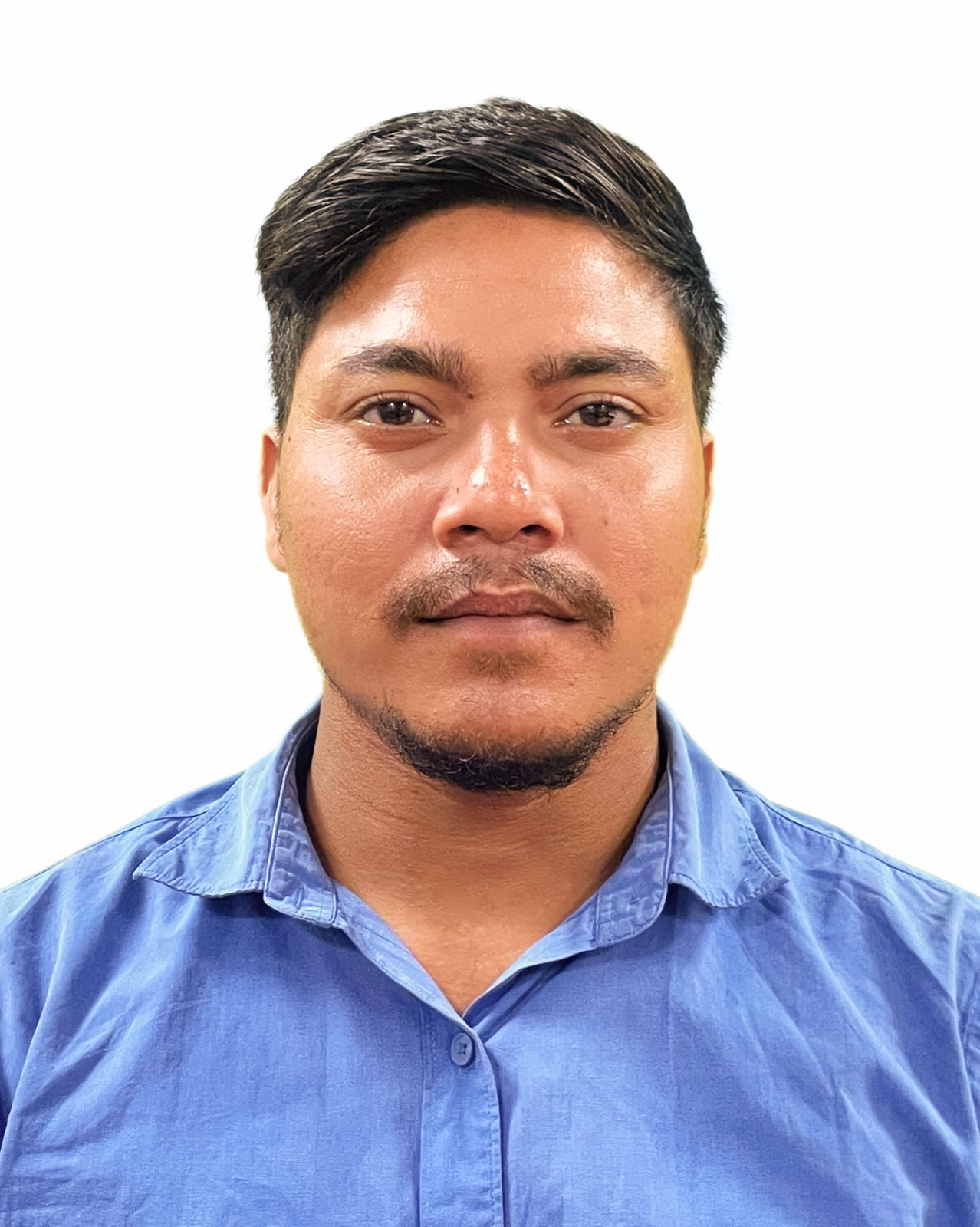
Later, in the year 2026, the department was introduced under Kokrajhar University with Bachelor’s and Master’s degree programmes along with the PG Diploma course and renamed as Journalism, Mass Communictaion and Media Studeis. It is a self financed course and has two contractual faculties Ms Tezashree Islary, Assistant Professor and Mr. Sebastian Ratney, Assistant Professor with professional, teaching, field and research experience.
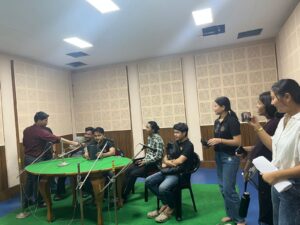
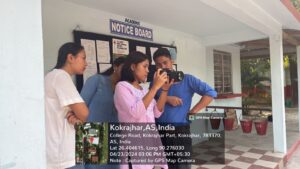
This program offers a comprehensive curriculum designed to equip students with the theoretical knowledge and practical skills needed to navigate the dynamic media landscape. Courses like Introduction to Mass Communication, Media Law and Ethics, and Theories of Communication lay a strong foundation, exploring the evolution, regulation and ethical responsibilities of media. As students progress, they goes deeper into specialized subjects such as Print Media, New Media, Convergence Journalism and Development Communication, enabling them to understand the diverse channels through which information is disseminated and consumed. Additionally, practical courses on Print Media, Radio, Television and Photojournalism provide hands-on experience in producing media content.
The program also emphasizes the importance of real-world exposure, offering opportunities through practical’s, internships, field visits and dissertation projects. Students gain insights into media management, public relations, advertising and global communication, preparing them for leadership roles in both local, regional, national and international contexts. With a focus on emerging trends such as alternative media, digital platforms and the role of gender in communication, this curriculum ensures that graduates are well-equipped to thrive in an ever-evolving media environment.
Type of the programme: The programme has Theory and Practical oriented curriculum along with formal teaching, ICT, Case study presentation, Seminars, Powerpoint Presentations, Field work.
Vision: To be a leading institution in Mass Communication education in the region, shaping innovative, ethical and skilled media professionals who will contribute positively to society through impactful storytelling and ethical media practices.
Mission: To provide a comprehensive and dynamic education in Mass Communication by integrating theoretical knowledge with practical experience, fostering critical thinking, creativity and ethical responsibility in the field of media. We aim to develop graduates who are well-equipped to meet the evolving demands of the media industry and serve as informed, engaged citizens in a globalized world.
Motto: “Communicating Knowledge, Shaping Society”
Purpose: The purpose of the Mass Communication program is to equip students with the essential skills and knowledge required to navigate and excel in the media industry. Through a blend of theoretical studies and practical training, the program aims to develop students into informed, ethical and capable media professionals ready to contribute to various communication sectors.
Goal: The goal of this course is to provide students with a thorough understanding of the principles, practices and ethical considerations within the media industry, while preparing them to become proficient communicators, responsible journalists and creative content creators who can influence and inform diverse audiences across multiple platforms.
Objectives: To:
Develop a deep understanding of media theories and communication model.
Equip students with practical skills.
Foster an ethical and responsible approach to media practices.
Promote critical thinking and problem-solving.
Encourage an appreciation for diversity and intercultural communication.
Provide real-world exposure through internships, field visits and dissertation projects.
Prepare students for leadership roles in the media industry.
Placement: Two students from the department have been placed at All India Radio Kokrajhar, while two others are currently working as freelance media professionals and reporters.
Scope in Journalism, Mass Communication and Media Studies
1. Journalist 2. News Reporter 3. Television Anchor 4. Radio Jockey (RJ) 5. Video Editor 6. News Editor 7. Content Writer 8. Copywriter 9. Public Relations (PR) Officer 10. Advertising Executive 11. Social Media Manager 12. Digital Marketing Executive 13. Media Researcher 14. Documentary Filmmaker 15. Photographer 16. Cinematographer 17. Event Manager 18. Corporate Communication Officer 19. YouTuber/Content Creator 20. Freelance Media ProfessionalStudents can also pursue higher studies, teaching, media entrepreneurship, film production, and government media-related jobs after completing the degree.
Faculties engaged in Department of Journalism and Mass Communication
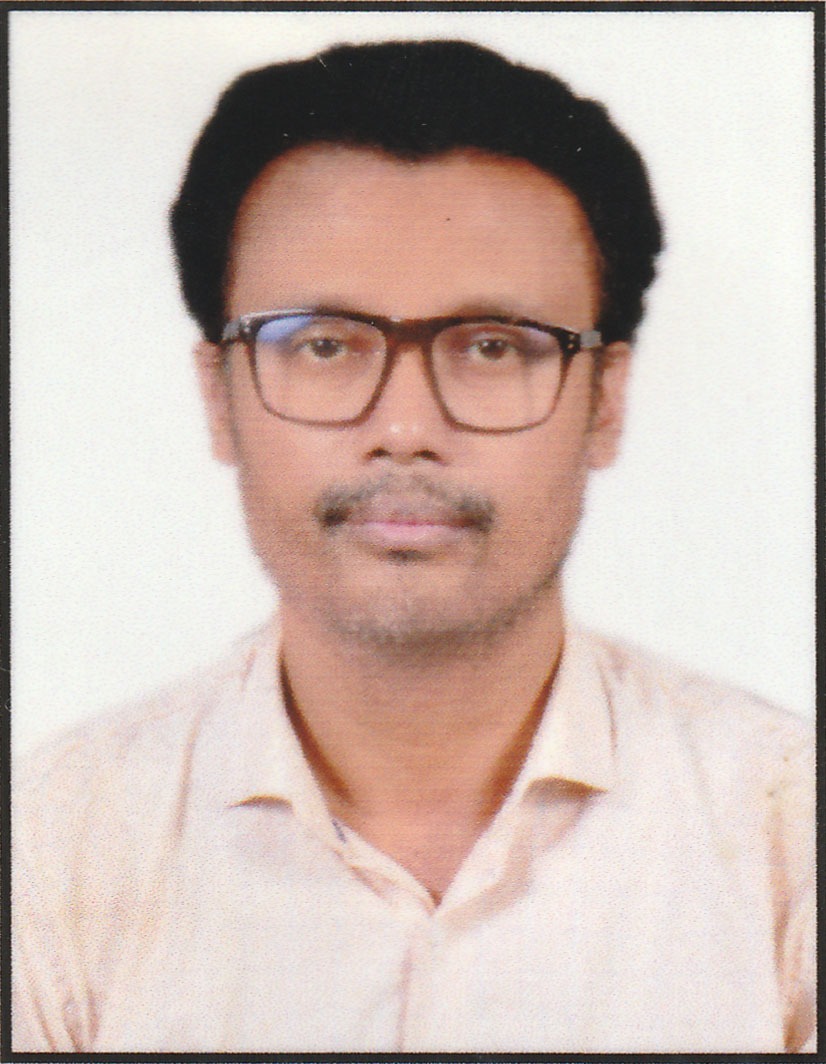
Dr. Pinak Pani Basumatary
Designation: Guest Faculty
Education Qualification: M.A. (Tezpur Central University), M.Phil & PhD (TISS, Mumbai), NET
Area of Specialization: Communication Research, Urban Studies, Media and Society
Date of Joining: 20-08-2026
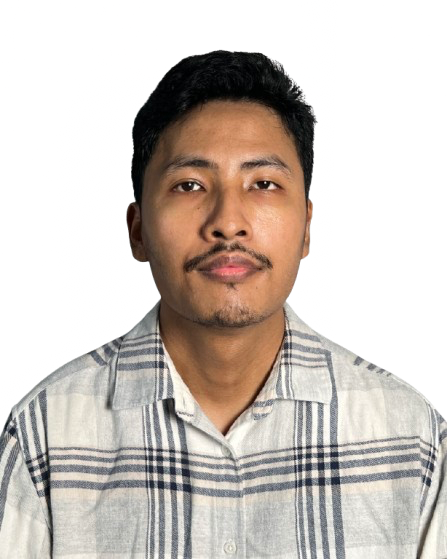
Jim Narzary
Designation: Technical Assistant
Education Qualification: M.A. (English), PG Diploma in Journalism and Mass Communication
Date of Joining: 19-08-2026
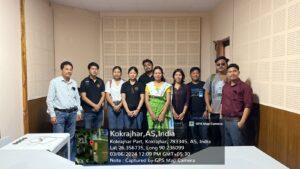
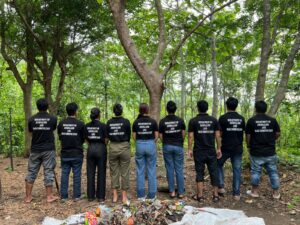
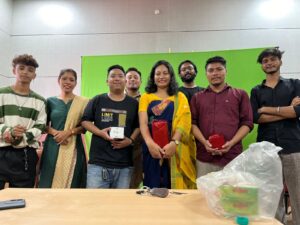
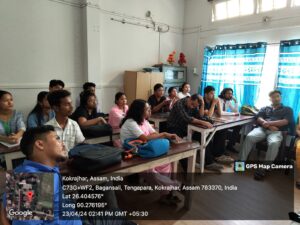
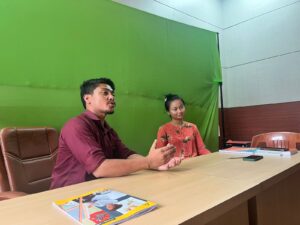
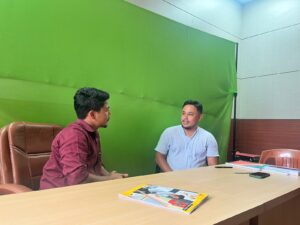
Glimpses of Departmental Activities